“Every stranger on the trail turned into a open door.” — Reminders that we are never truly walking alone.
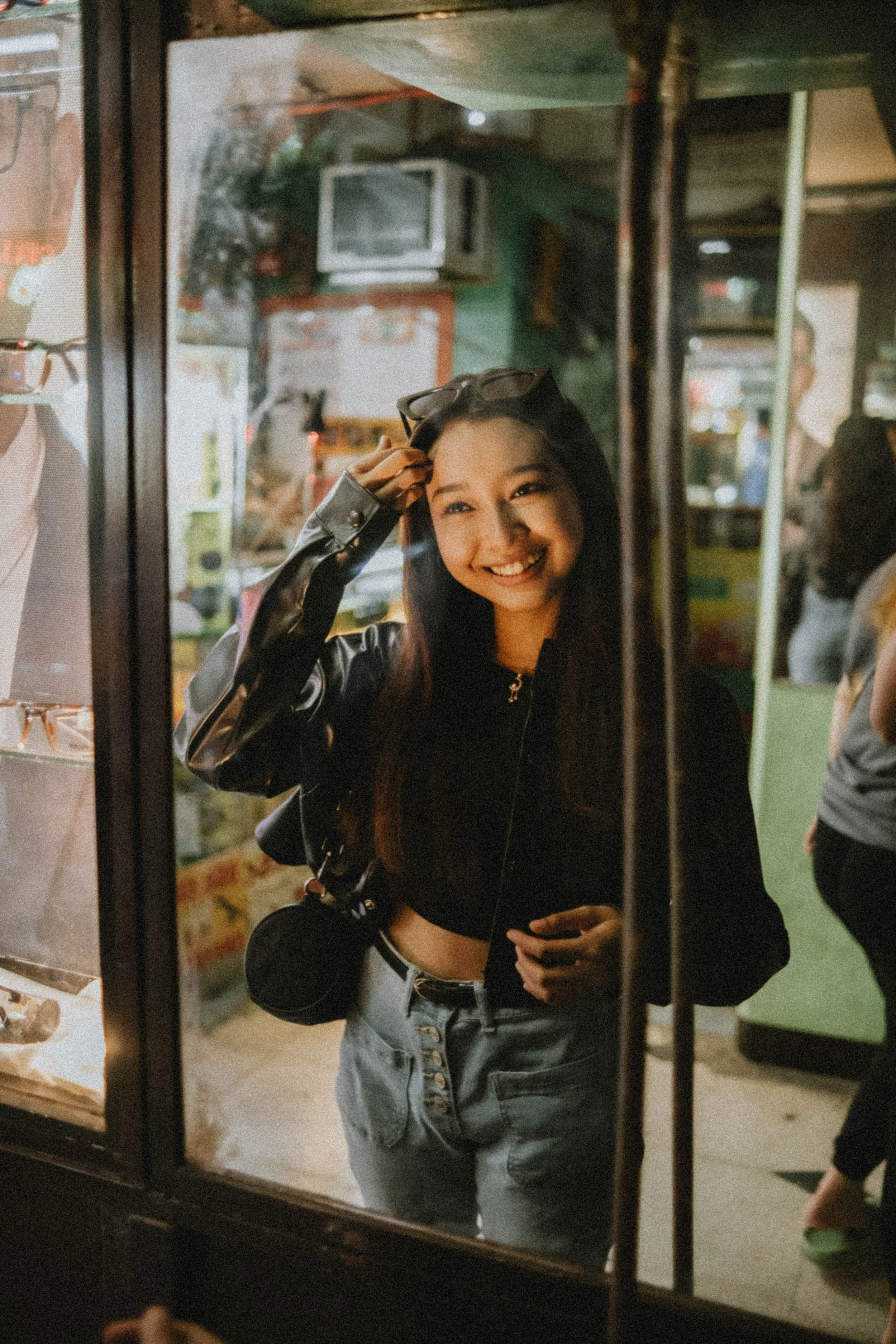
There is a specific kind of silence that hits you when you step off a regional bus into a mountain valley you’ve only ever seen on a phone screen. It’s not a peaceful, meditation-app kind of silence. It’s loud. It’s the sound of your own heartbeat hammering in your ears while your brain screams, What on earth are we doing here?
Six weeks before I landed on the dusty trails of northern Spain, my life was defined by clean lines, Pilates classes, oat milk lattes, and a very comfortable calendar. Then came the phone call from my doctor. It wasn't the kind of dramatic, movie-script diagnosis where everything turns black and white in an instant. It was something far more frustrating: an unknown, ambiguous autoimmune marker. A medical mystery. A quiet glitch in my body that nobody could quite name, but everybody agreed needed "monitoring."
Suddenly, my body—which I had spent my twenties treating like a reliable, high-performing accessory—felt like a stranger’s house with flickering lights. The existential dread didn't make me want to hide under my duvet, though. It made me feel suffocated. I needed to know that if my body was going to play by new, unpredictable rules, I could still survive outside my comfort zone. So, impetuous and terrifyingly unprepared, I booked a one-way ticket, packed a 40-liter bag with way too many skincare minis and brand-new hiking boots, and set out on my very first solo trip.
I thought I was going to Spain to find myself. What I actually found was that I was terrible at being alone.
The first three days were a masterclass in panic. Every time my trail app glitched, my stomach dropped. Every time my knee twitched or my body felt slightly fatigued, my brain spiraled into a health-forum rabbit hole. Is this the elevation, or is this my body giving up? I was hyper-aware of my own isolation. I walked fast, kept my sunglasses on, and put on a confident face for Instagram, pretending I was the effortless, solitary wanderer I’d always pinned on my boards. In reality, I was terrified.
Then came the afternoon near the foothills of the Picos de Europa.
The sky had turned the color of a bruised plum in under twenty minutes—a classic mountain plot twist I hadn't budgeted for. My phone battery was sitting at 8%, my paper map was rendered useless by a sudden, driving rain, and I was standing at a fork in an unmarked rocky trail, completely lost and thoroughly soaked. The high-end waterproof shell I’d bought for the aesthetic was failing miserably. I sat down on a wet boulder, pulled my knees to my chest, and started to cry. It was the full-spectrum breakdown: crying about the rain, crying about my lost map, and mostly crying about the terrifying unknown waiting for me back home in blood work reports.
That was when I heard the rhythmic thump-thump of trekking poles on wet dirt.
Out of the mist walked an elderly local man named Mateo, wearing a wool sweater that had seen at least four decades and leading a dog that looked equally scruffy. He didn't speak a word of English, and my panicked high-school Spanish was useless. But he didn't need a language translation to see a twenty-something traveler having a total existential meltdown on a rock.
He didn't offer a dramatic speech or try to fix my life. He just smiled, pointed down the left path, and gestured for me to walk with him. Ten minutes later, he pushed open the heavy wooden door of a stone cottage tucked into the hillside.
Stepping across that threshold felt like being pulled back into the land of the living. His wife, Carmen, took my dripping coat without hesitation, wrapped a thick hand-knitted blanket around my shoulders, and set a steaming bowl of white bean stew in front of me. They didn't ask who I was, why I was alone, or what was wrong with me. They just saw someone who needed warmth, and they opened their door. I sat by their wood stove, spooning hot soup into my mouth while their dog rested its head on my muddy boot, and for the first time in months, my nervous system went completely quiet.
That afternoon rewrote the entire narrative of my trip.
Over the next two weeks, the trail stopped feeling like an intimidating obstacle course and started feeling like a rolling community of unexpected angels. There was the German backpacker who noticed me limping on a steep descent and silently traded me one of her carbon-fiber poles so I could balance my weight. There was the young barista in a sleepy village who saw me staring blankly at a bus schedule, gently took my phone, typed in the correct route, and slipped a warm churro into my bag "for the road." There was the group of solo women travelers who invited me to join their long, wine-fueled dinner table when they saw me sitting alone with a book, wrapping me in a web of laughter and shared stories that made my medical fears shrink into the background.
Before this trip, I thought being strong meant being entirely self-sufficient—holding my own hand, solving my own problems, and keeping my vulnerabilities locked behind a flawless exterior. I thought solo travel was a test of how well I could stand alone.
Spain taught me the exact opposite.
My body is still a work in progress, and the medical answers haven't all magically appeared. But the fear doesn't consume me anymore. I learned that when you step into the world with open hands, the world doesn't leave you empty. Every stranger who offered a direction, shared a meal, or held open a door was a quiet reminder that independence is a myth. We are all just taking turns helping each other down the trail.
I walked into the mountains thinking I was entirely alone in my uncertainty. I walked out knowing that no matter how dark the storm gets or how unfamiliar the path becomes, you are never, ever truly walking alone.