“Stood up, stunned, and pulled into a new dimension.” — How a scribbled napkin note altered my course forever.
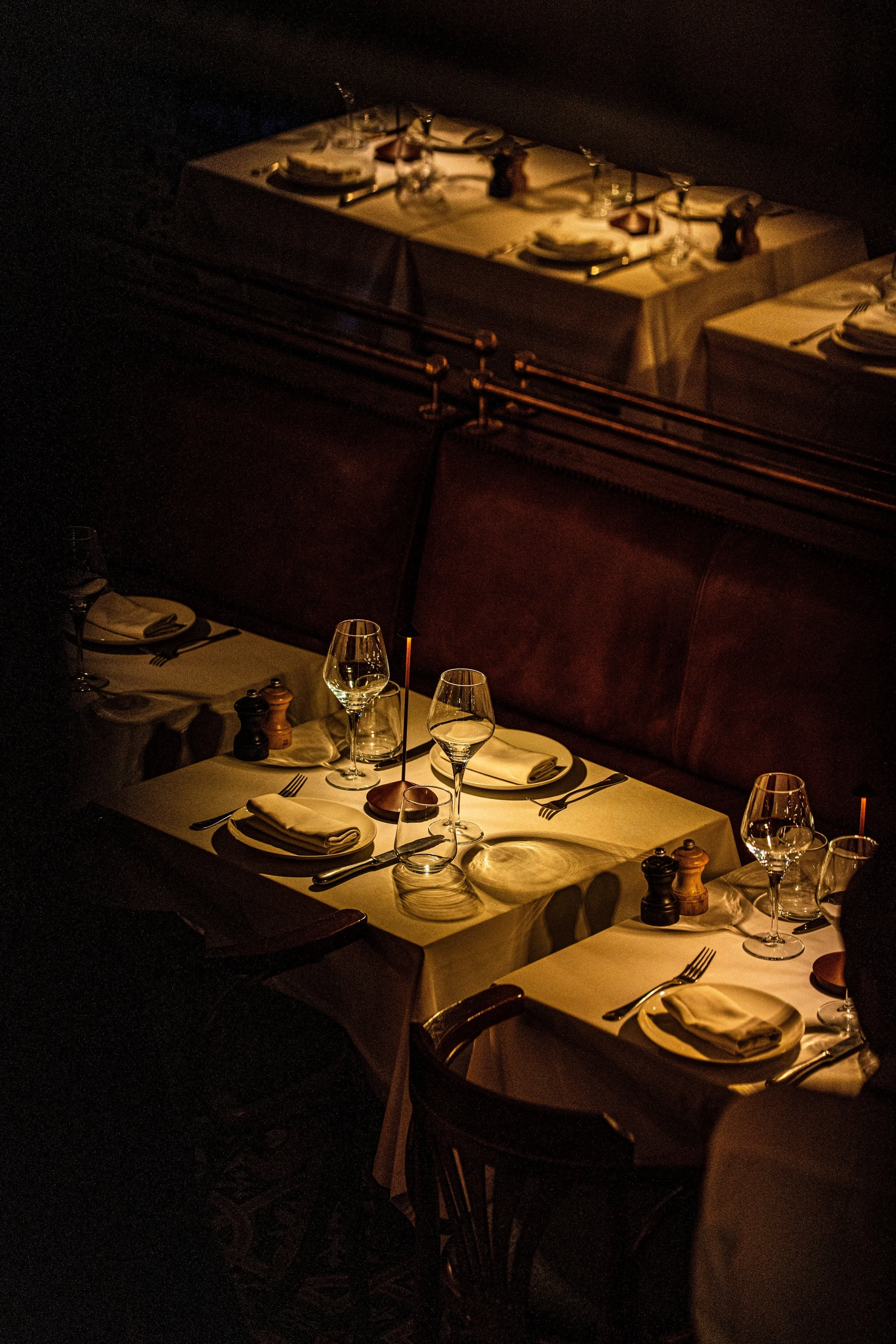
There is a specific temperature to humiliation in New York City. It starts in your cheeks—a sharp, prickling heat—before settling like lead into the pit of your stomach.
By 8:30 PM, I had been sitting alone at a small, candlelit corner table inside a moody, sub-basement bistro in SoHo for exactly thirty minutes. I was wearing a new silk slip dress, a freshly polished coat of cherry-red lipstick, and a brave, practiced smile that was rapidly decaying into a grimace. Across from me, an empty velvet chair stared back like a open dare.
His name was Julian. We had met on an app two weeks prior, connected over a mutual love for obscure jazz records and late-night noodle shops, and agreed to meet at this dark, unmarked spot off Spring Street. But at 8:31 PM, his phone went straight to voicemail.
I signaled the waiter—a tall, unbothered guy with a slicked-back pompadour—and asked for the check for my untouched glass of Pinot Noir. I wanted to pay, make a quick, graceful exit into the rain, and cry on the N train all the way back to Brooklyn.
The waiter nodded, reached over to clear the water glasses, and then paused. He reached for the cloth napkin that had been sitting untouched under my water goblet since I arrived.
"Oh, almost forgot," he said casually, pulling the napkin out and sliding it across the dark marble tabletop toward me. "The guy who was here earlier asked me to make sure you got this."
My chest tightened. Earlier?
"Wait," I said, my voice cutting through the low hum of the dining room. "He was here?"
"Briefly," the waiter said with a small shrug. "Paid for your glass of wine before you even walked in, left that, and walked out. Have a good night." I sat frozen as he walked away. My heart was hammering against my ribs. I reached out, my fingers slightly trembling, and unfolded the heavy linen napkin. Inside, written in messy, frantic black ink that had bled slightly into the fabric, were four short words:
“Don't look for me.”
Beneath those four words was an address in Chinatown, followed by a time: 9:15 PM. 2nd Floor.
A cold chill ran down the back of my neck. It wasn't a sweet cancellation text. It didn't feel like a classic ghosting, either. It felt like a warning—or an invitation to a room I hadn't known existed. My sensible, logical brain screamed at me to fold the napkin, leave it on the table, call an Uber, and forget Julian ever existed. But NYC on a rainy Tuesday night has a strange way of warping your internal compass. The humiliation was suddenly gone, replaced by a sharp, electric pulse of curiosity.
At 9:05 PM, I found myself standing at the slick, wet intersection of Mott and Pell Streets.
The rain was falling in steady, silver sheets, reflecting the neon pink and green signs of Chinatown into the dark asphalt below. I checked the address written on the napkin against the weathered brass numbers on a doorway wedged between a dim sum restaurant and an closed herbalist shop. The heavy wooden door was slightly ajar, breathing out the warm scent of old paper, roasted tea, and damp rain.
I pushed the door open and climbed a narrow, creaking flight of wooden stairs illuminated by a single flickering bulb. With every step, the muffled noise of city traffic faded, replaced by the faint, melancholic strains of a cello playing somewhere above me.
At the top of the stairs was an unmarked metal door. I hesitated, holding my breath, my hand hovering over the handle. This is how urban legends start, I thought. But then I remembered the hollow, predictable safety of my apartment, the routine I felt trapped in, and the sudden, strange realization that safety is often just another name for standing still.
I turned the knob and pushed.
The room was vast, high-ceilinged, and bathed in the soft, amber glow of dozens of mismatched floor lamps. It was an underground art press and listening lounge—a hidden sanctuary crammed wall-to-wall with vintage printing presses, floor-to-ceiling archives of vinyl records, and small clusters of people sitting on leather sofas, deeply immersed in low, quiet conversations. It felt like stepping out of Manhattan and into a secret, parallel dimension that had been humming beneath the pavement all along.
Sitting near a sprawling iron press at the back of the room was a woman with silver hair, carefully hand-setting lead type for a broadside poster. She looked up, took in my damp hair and silk dress, and offered a warm, knowing smile.
"You look like you're looking for someone," she said, her voice soft and resonant.
"I... I think I am," I stammered, holding up the wrinkled napkin like a passport. "A guy named Julian left me this."
The woman looked at the napkin, then up at me, her eyes softening with a quiet, mysterious amusement.
"Julian," she echoed thoughtfully. "He comes in here when he needs to run away from his life for a few hours. He was here about twenty minutes ago. He looked like he’d seen a ghost."
She paused, wiping her ink-stained hands on an apron.
"He told me he saw you walk up to the restaurant through the window," she continued quietly. "Said you looked so radiant, so completely grounded in who you were, that he panicked. He realized he’d spent two weeks pretending to be a fascinating, adventurous guy on an app, but sitting across from you, he felt like an imposter. He couldn't go through with the lie. He said you deserved an actual adventure—not a fake one."
A strange, quiet shock washed over me. I looked around the room—at the ink-stained wooden tables, the gentle motion of the printing press, the strangers sharing tea and listening to jazz in a secret room above a Chinatown alleyway.
Julian had coward out. He had flinched at the thought of being seen. But in his panic, he hadn't just stood me up—he had handed me a key to a world I would have walked past every single day without ever knowing it existed.
"Can I stay?" I asked quietly.
The woman smiled, gestured to an empty velvet armchair next to a stack of classical records, and pulled a clean ceramic cup from a shelf.
"Honey," she said, pouring a stream of dark, fragrant tea, "the door was unlocked for a reason."
I sat down, taking a slow sip of the warm tea as the rain drummed softly against the high, arched windows. Sitting in that hidden room, miles away from the safe, predictable night I had planned, I realized something fundamental: the moments that rewrite our lives rarely come wrapped in the packages we ask for. Sometimes, they arrive disguised as an empty chair, a canceled plan, and four cryptic words scribbled on a napkin.
Julian never called, and I never looked for him. I didn't need to. He had given me exactly what I was looking for without ever sitting at the table.