Brandon Fehderau
TheiMake this part a headline, not an excerpt.
Then make this your radio intro.
To kick things off with a quick snapshot of who you are—how do you usually introduce yourself to someone new when you’re meeting over a coffee, and what’s one small thing that instantly tells us what you’re all about?
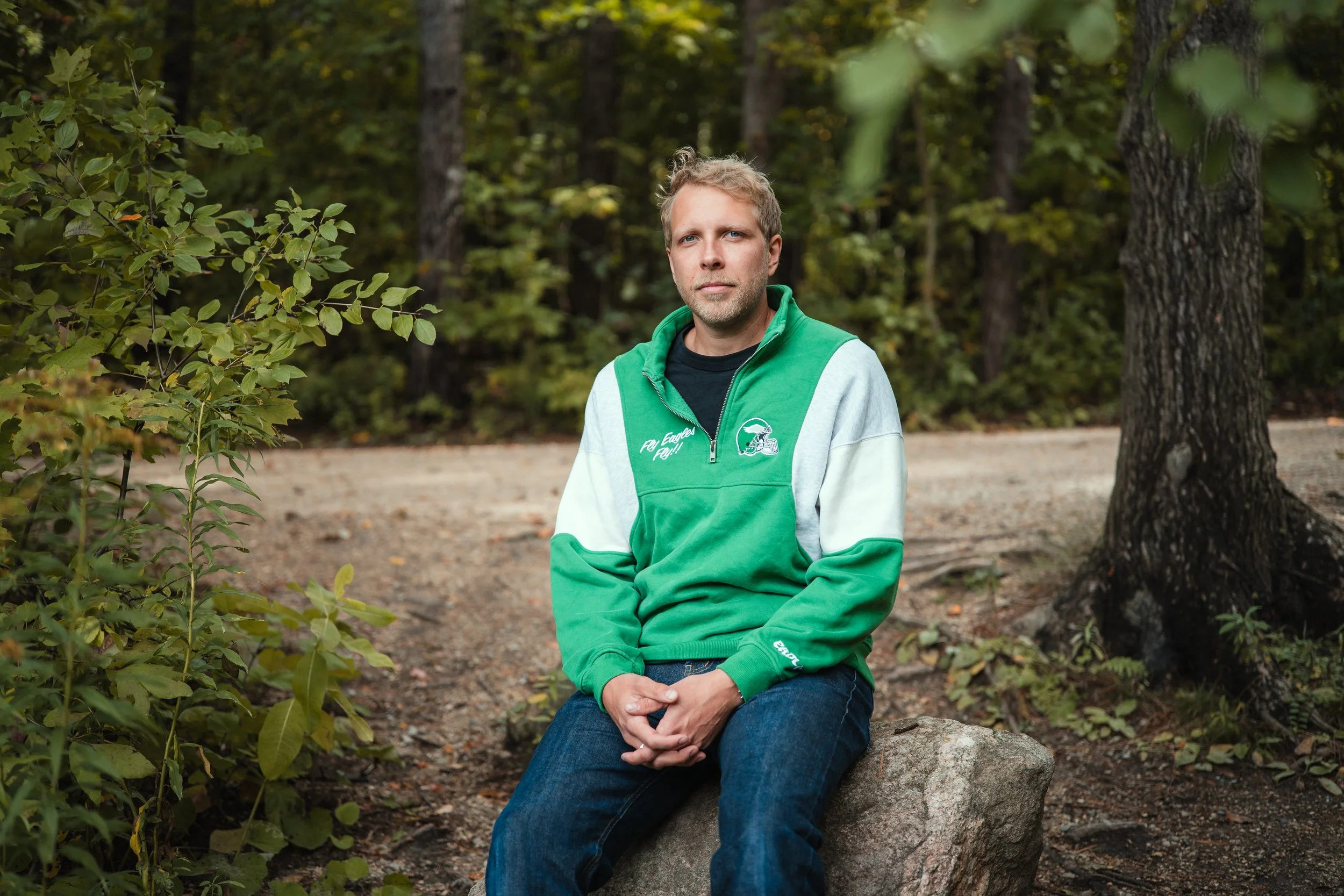
I’m Brandon! I’m a guy who loves people, family, art, adventure, and originality. Most days, I find myself making music in one way or another, informed by the people and adventure in my life. Presence and memorable experiences matter a lot to me.
Tell us about the name of your home studio and the meaning behind it.
‘Mkondo’ is a Swahili noun that is used when referring to a stream, current or flow. To me, it represents the ideas of constant musical motion, moving toward a destination, and general fluidity and regularity of music and sound. Also, the current studio building is situated just beside Schneider’s Creek in Kitchener!
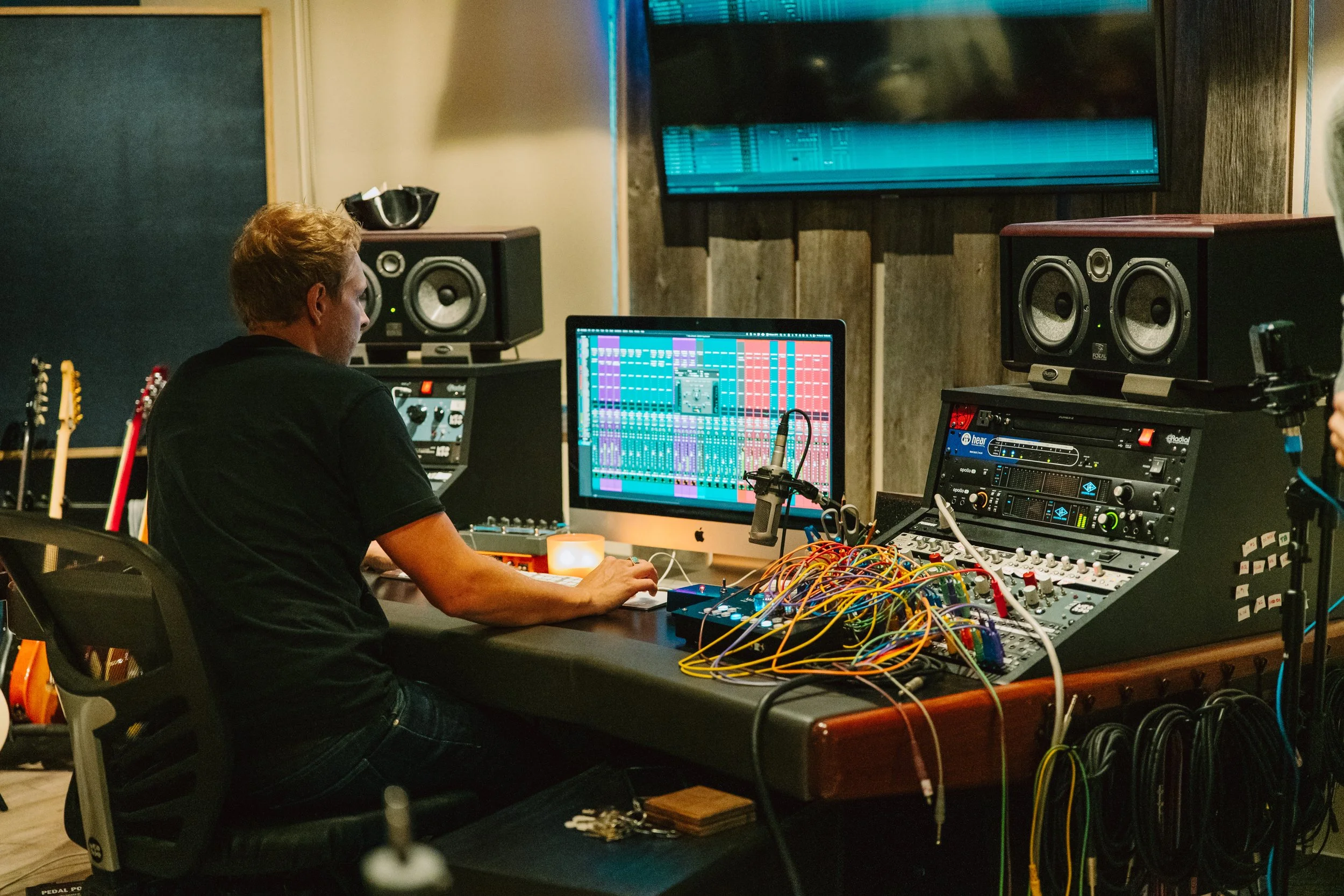
What were the must-have details you insisted on incorporating into your studio garage build to make artists feel like they were both in a high-caliber creative space but also a comfortable, easy-going environment?
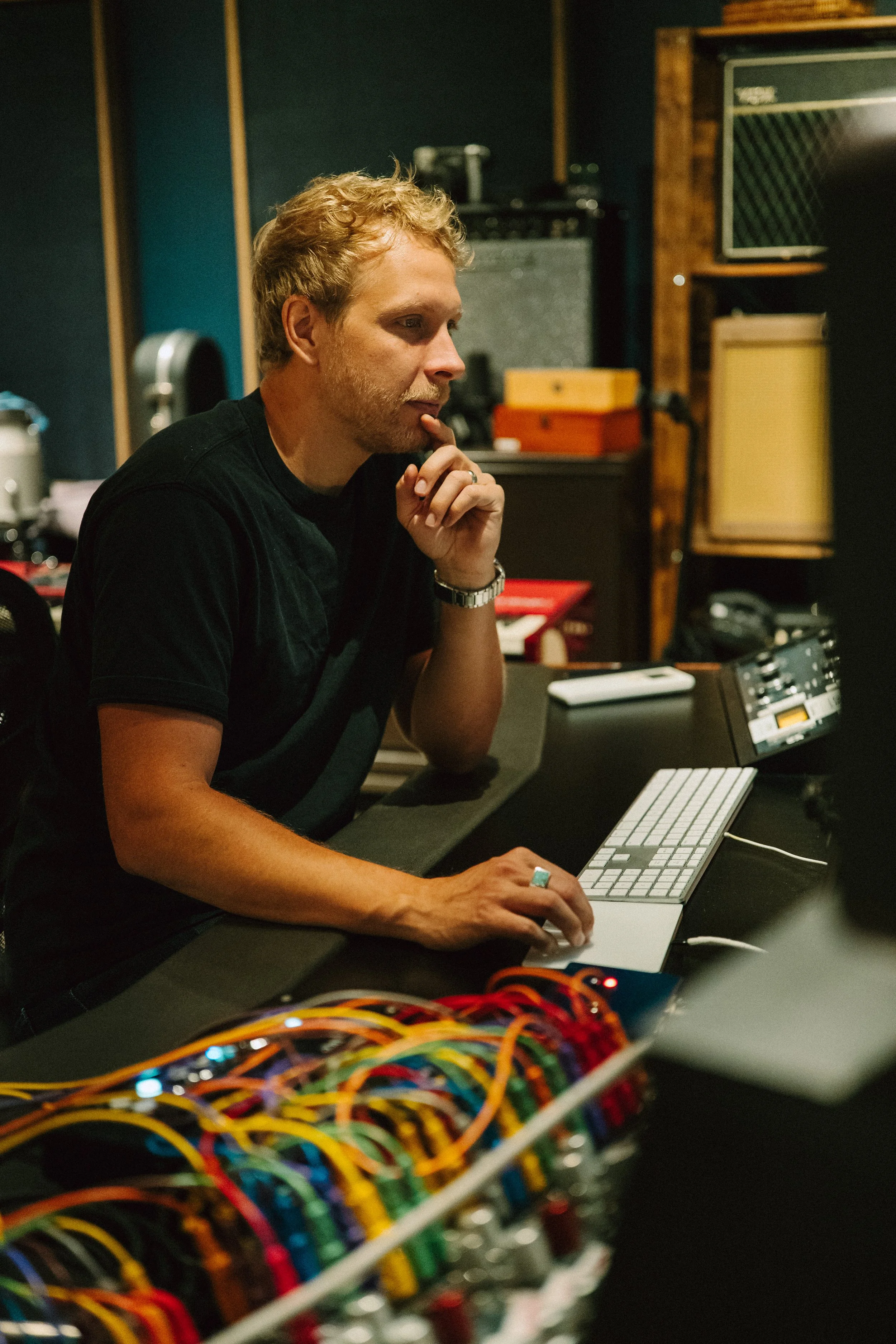
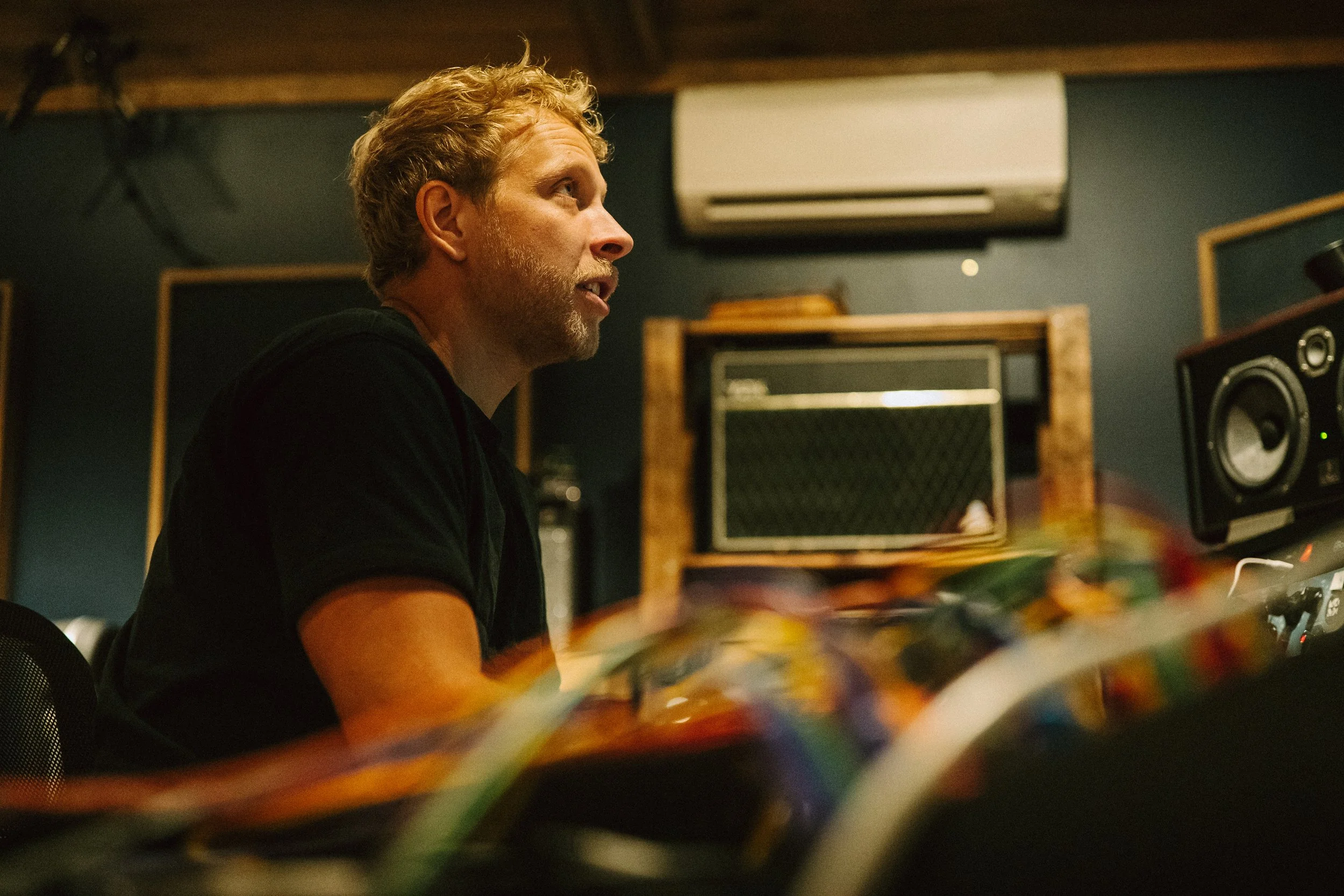
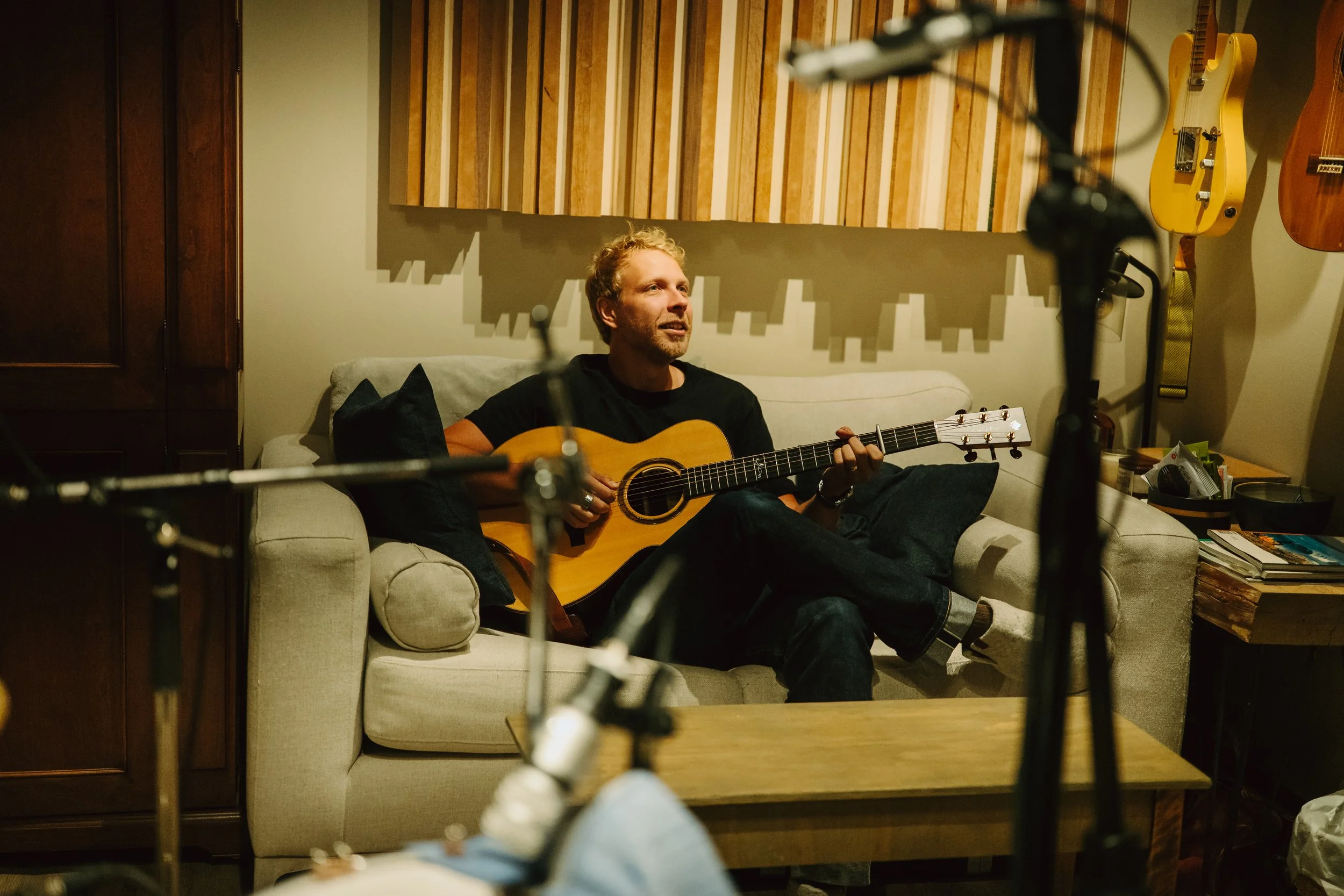
More than anything, I just want it to be comfortable. Everyone is inspired by different environments, so ultimately, it’s just a place that embodies where I’d like to spend a bunch of time, but it’s cozy and clean enough (usually) to provide a functional, distraction free space for others to make music as well.
I wanted to be able to get “big studio” results in a small studio that feels homey and familiar. Acoustically, everything is calculated and measured, the gear is fantastic, and everything (typically) works - but the finish, colours, smell, lighting etc. are all important!
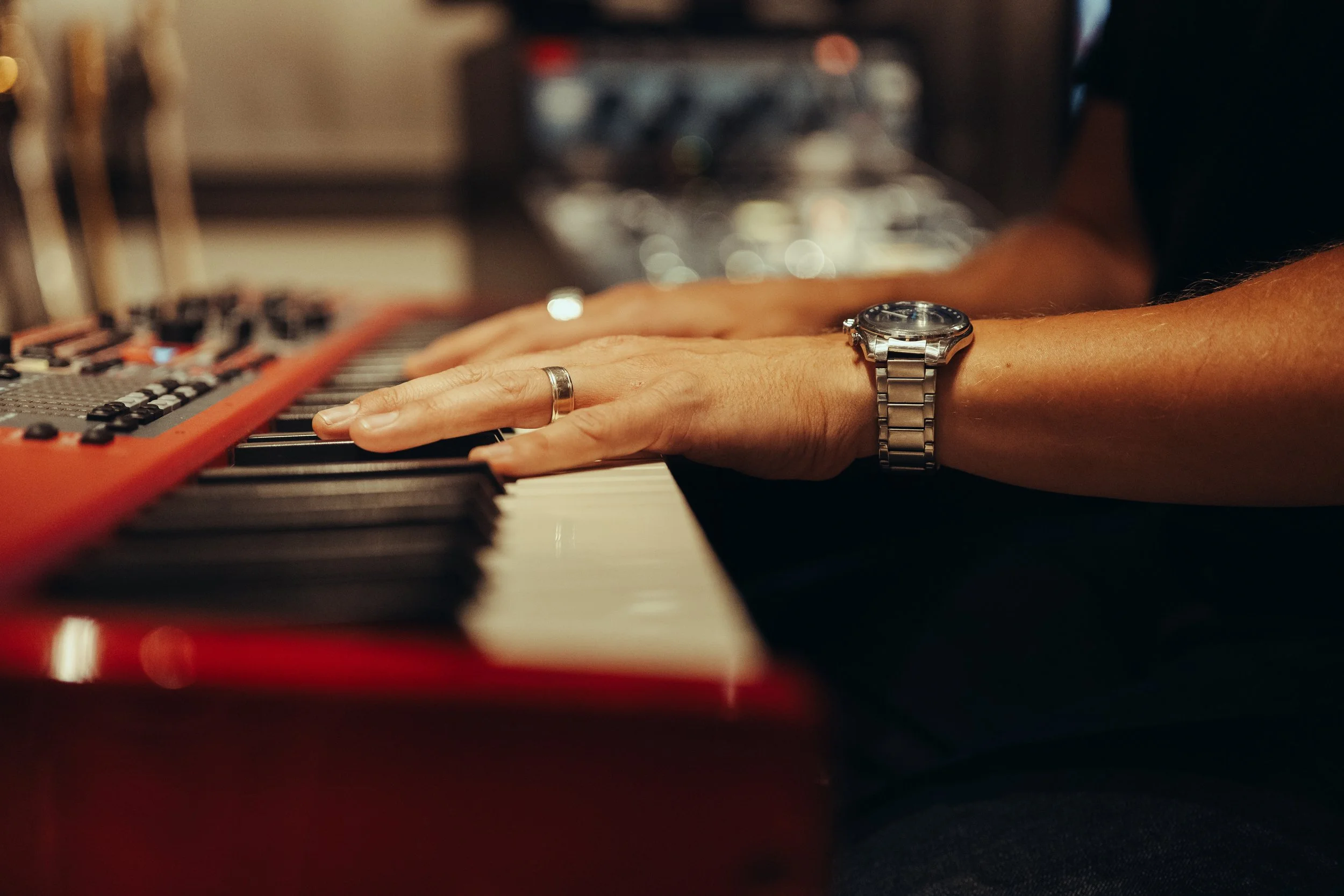
What are your go-to rituals or details for making a musician feel at home the second they step into your space?
Unless it’s a vocal day, typically, coffee. Whatever you’d like, we will make it. Aside from that, it’s nice to just hang out as friends for a little bit! Hitting ‘record’ immediately is rarely productive, and it can take a bit for folks to settle into a session. Sometimes it’s fun to share new music, chat about movies, sports, life, anything.
What is the biggest lesson about client care or studio culture you’ve learned?
When working alongside or observing studio professionals that I admired, I learned very quickly that no two clients deserve the exact same treatment. Of course, there’s tricks to bring the best out of musicians and there’s basic social norms that generally make sense, but when possible and/or reasonable, accommodating an artist’s habits is the best thing you can do for them. There’s a whole lot about “old fashioned studio culture” that truly sucks, but the sessions that I’ve been a part of that are the most fulfilling, memorable, and inspiring are the ones where every professional is completely free to operate how they’d like.
Let’s talk about your craft. Editing can make or break a track's emotion. How do you balance microscopic technical precision with preserving a raw, human performance?
It certainly can, and “musical” editing (as well as tuning) is definitely a skill. Oftentimes it’s genre specific - but the dynamics and the notes that fall “off-the-grid” are what make individual performances special. There’s a time and a place to fix timing and tuning, and knowing where those spots are and how much to adjust is way harder than nailing an edit.
When an artist comes in feeling nervous, or is clearly struggling / feeling the pressure during their session with you, how do you help them settle in and find their groove?
This is why it’s helpful to have a pre-established relationship, or at least some familiarity! Like I mentioned above, there are plenty of techniques that can help solidify various aspects of a performance (breath stuff, psychoacoustic stuff), but ultimately they need to feel comfortable with vulnerability, which is inherently a giant part of recording. Sometimes it’s just not the day to get that part, so we’ll try again another day! No big deal. Sometimes settling in can take a while.
In an industry that often feels transaction-heavy, what does being "hospitable" as a producer and engineer mean to you in practice?
As a producer, it’s important to consider how intangibles will contribute to the flow of a session. Also, making sure everyone’s input is treated as valuable is not only helpful, it’s just kind!
As an engineer, reassuring whoever is around that everything is under control (even when it’s not) is one of the best things you can do. If people feel like the technical side of things is completely taken care of, then they are able to do whatever their role is with less inhibitions.
Having a year-and-a-half-old son brings a whole new energy to life. How has becoming a Dad influenced how you manage your time, energy, and creative headspace in the studio?
I think that it has helped me use ALL of my time more efficiently! But, music sometimes just feels right when it feels right. Having a son adds a whole new universe of inspiration to pull from, and although I’m probably more physically tired than I was a few years ago, his life invigorates me and reminds me (in a whole heap of ways) why I love being in the studio so much. I want him to find something that brings him as much joy as making music with people does for me.
Since your studio is right at home, how do you navigate the boundary between intense production sessions and family life?
When possible, I try to work somewhat similarly to my wife’s schedule. There’s plenty of exceptions to that throughout the year; weekend sessions are not uncommon, or sometimes I’ll head back into the studio later at night, but the job I have as a husband and a dad are more important than my job as a music and audio guy.
Looking back at where you started versus running your own studio today, what continues to drive your passion for helping artists capture their sound?
Really, my passion is for how music can make people feel. The recording studio is simply where I am able to contribute to that most effectively. Growing up, I never planned on working in production, but the skills that I’ve been developing since I was a kid lend themselves to the studio workspace. Recording is just a step in the process – discovering excellent arrangements, groove, harmony and vibe is what keeps me driven.
Long after the final master is exported, what do you hope musicians remember most about their time working in your space?
When musicians listen back to their master, I hope firstly that they are proud of what we created, and that they feel their vision was effectively and beautifully represented. I also hope they feel that their time spent here was meaningful, safe and welcome!
Three part final question. What’s one album every artist should listen to for incredible production, one studio snack that is non-negotiable, and the best piece of advice you’ve ever been given?
Mutemath’s self-titled album (2006) changed my life. Listen to it and maybe you’ll get why!
Lately, I’ve been taking a page out of the filmmakers’ books and keeping Welch’s Fruit Snacks around! Coffee and tea naturally make regular appearances (drinks on the floor, please), and I eat a laughable amount of trail mix and nuts during sessions.
I’ve received plenty of great advice, and there’s no way I could narrow it down to ‘the best’, but recently my one year old has been reminding me to turn off the kitchen lights before leaving the house. That’s been helpful.
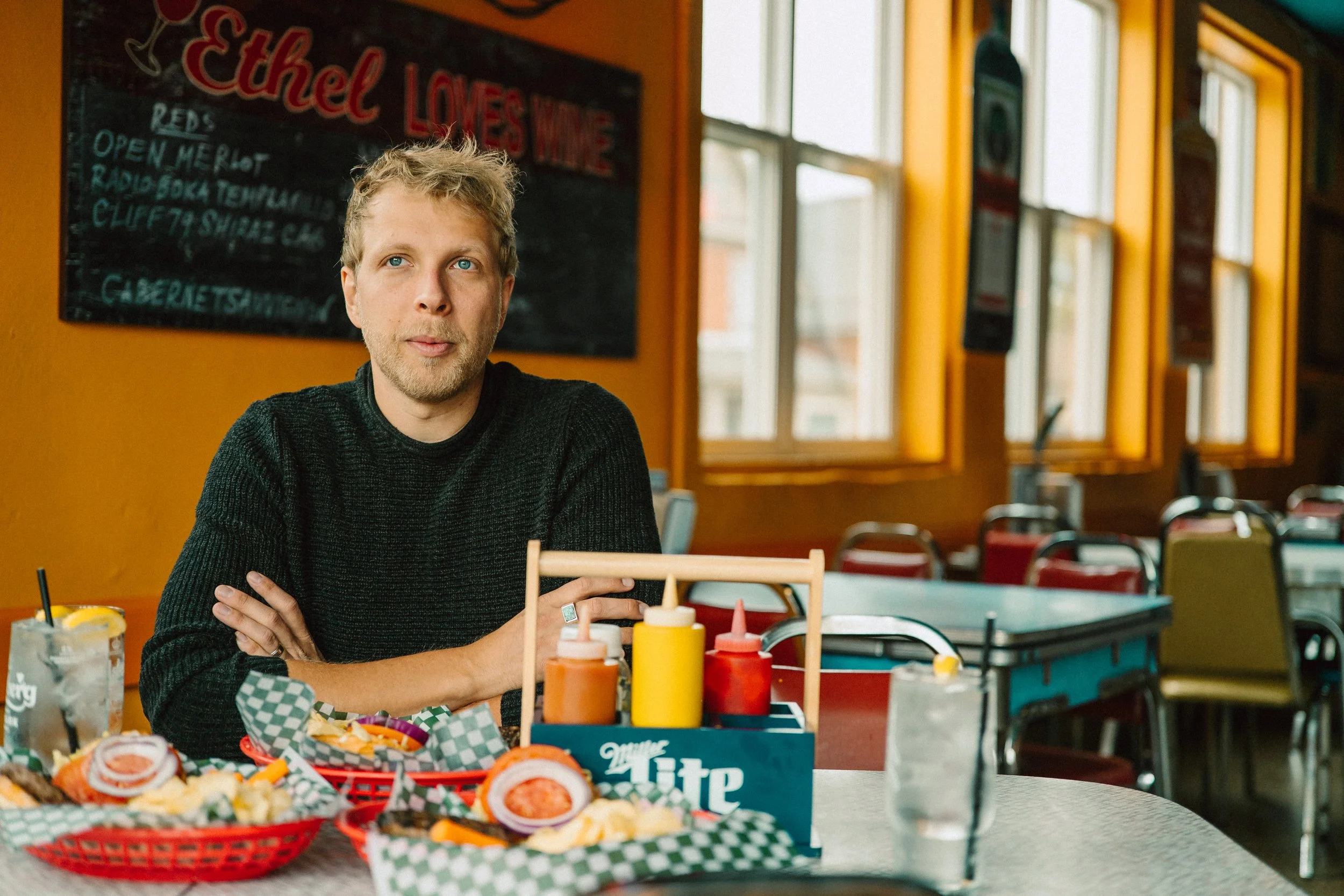
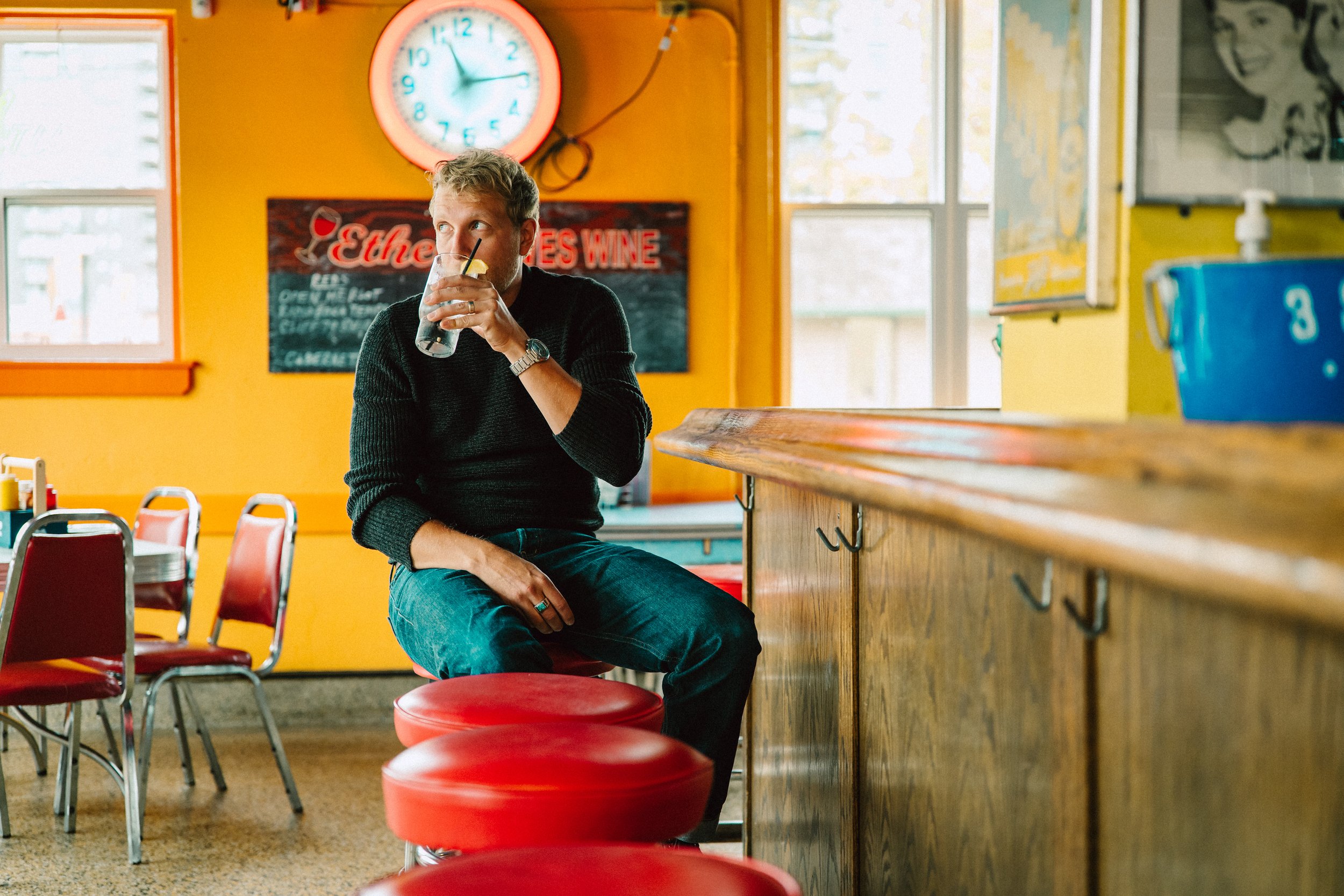
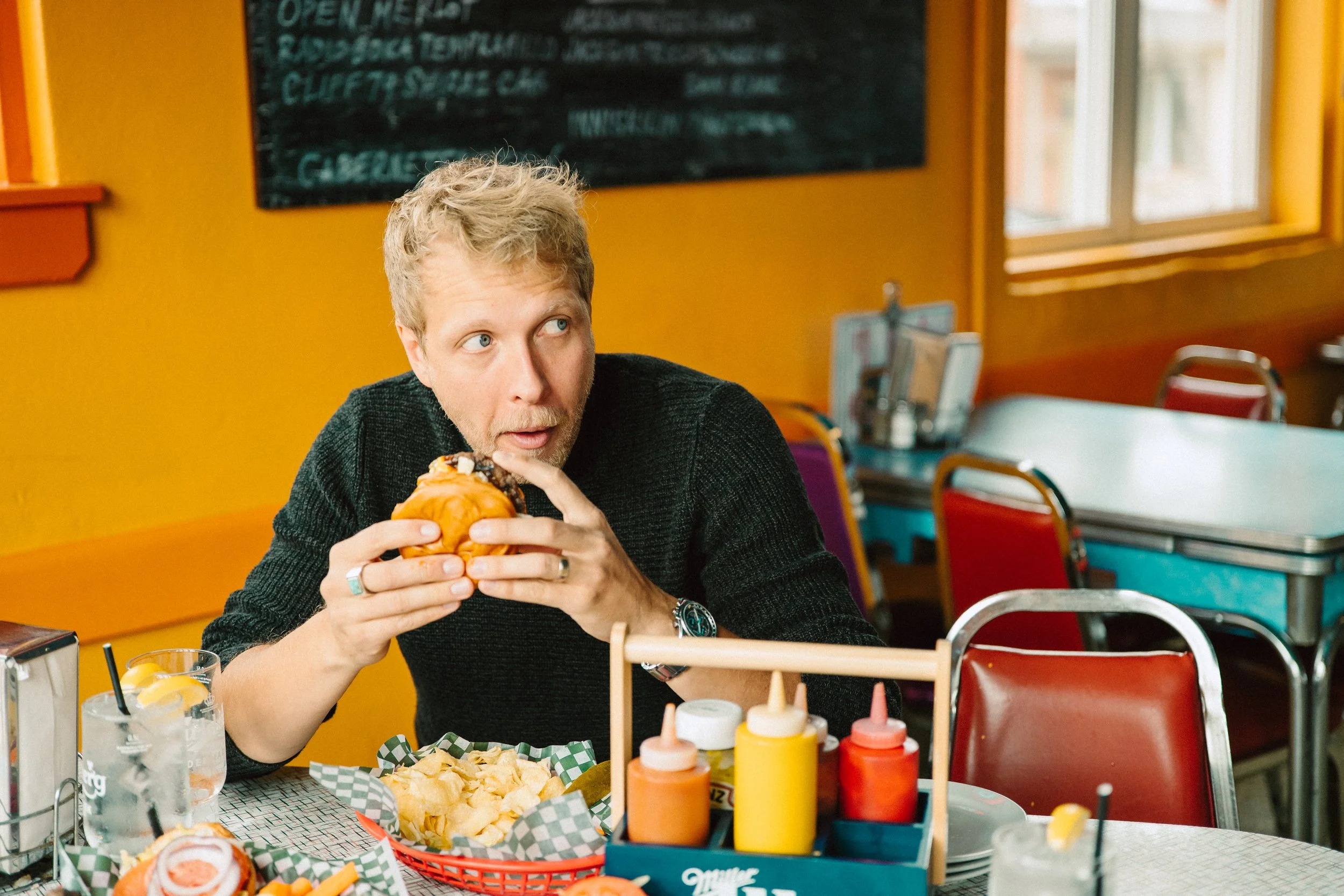
📸 Ethel’s Lounge in Waterloo, Ontario